The First Thing Drought Takes Isn't Grass, It's Nutrition
When people think about drought, they often picture dry pastures, bare ground, and dwindling hay supplies. But one of the biggest challenges begins long before the pasture disappears.
The first thing drought takes isn’t grass. It’s nutrition.
As rainfall decreases and temperatures rise, pasture plants begin responding to environmental stress. Growth slows, nutrient concentrations often decline, and forage becomes less digestible. While a pasture may still appear green enough to graze, the nutritional value available to horses and livestock may already be changing.
Understanding how drought affects forage quality helps owners make feeding decisions before declining nutrition begins affecting animal health, body condition, and performance.
Key Takeaways
- Drought often reduces forage quality before forage availability, creating hidden nutritional gaps.
- Horses and livestock may continue grazing while receiving less digestible energy, protein, and overall nutrition.
- Monitoring pasture quality and body condition helps identify nutritional deficiencies before performance or health declines.
- Supplemental forage can help maintain consistent fiber intake and digestive health when pasture quality decreases.
- Planning ahead with premium forage products helps support consistent nutrition during changing pasture conditions.
- A proactive forage strategy can reduce feeding disruptions and help maintain animal condition throughout drought.

Join Our Email List Today!
Be the first to get the latest news, promotions, updates and more from Standlee when you join our email list!
By signing up for email, you are agreeing to receive news, offers, and information from Standlee Premium Products, LLC®. You can also visit our Privacy Policy. Easy unsubscribe links are provided in every email.
Drought Affects More Than Forage Availability
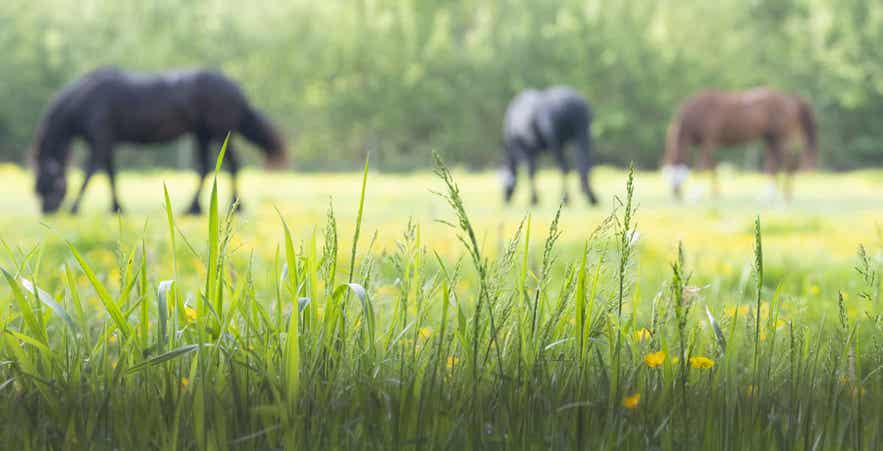
It’s easy to focus on how much pasture remains. What’s often overlooked is how much nutrition that pasture is actually providing.
During dry conditions, pasture plants shift their energy toward survival rather than growth. Leaves may become smaller, stems may become tougher, and plants may mature faster than they would under ideal growing conditions. That change in plant structure can affect both what animals are willing to eat and how much nutrition they can get from each bite.
This is why drought can be misleading from a nutritional standpoint. A pasture may still have visible plant material, but that forage may be lower in quality, less palatable, and less efficient at supporting body condition. Animals may compensate by grazing longer, searching for more desirable plants, or consuming more mature forage that does not provide the same nutritional value.
As plants mature or experience prolonged drought stress:
- Protein levels often decline.
- Digestible energy decreases.
- Fiber becomes more mature and less digestible.
- Overall forage quality becomes more variable.
A decrease in digestible energy can be especially difficult to spot at first. Animals may still be eating and grazing normally, but the forage they consume may no longer deliver the same level of usable calories. Over time, that gap can show up as subtle changes in body condition, topline, stamina, or overall performance, particularly for animals with higher nutritional demands.
Animals may continue grazing the same amount of time, but they aren’t necessarily consuming the same level of nutrition they were just weeks earlier. As forage becomes less digestible, animals obtain less usable nutrition from each mouthful, even if they continue grazing normally. That’s why drought is often a nutritional challenge before it becomes a forage shortage.
Why Consistent Forage Matters
Regardless of weather conditions, horses and livestock still rely on forage as the foundation of their diet.
Forage does far more than satisfy hunger. It supports digestive function, encourages natural chewing behavior, and supplies the fiber animals depend on every day to help maintain digestive health and body condition. When forage quality or availability changes suddenly, the rest of the feeding program may need to work harder to fill the nutritional gap.
For horses especially, consistent forage intake supports:
- Healthy digestive function
- Normal gut motility
- Natural chewing behavior
- Saliva production that helps buffer stomach acid
- Overall wellness and body condition
During drought, consistency becomes even more important as animals may transition from lush pasture to lower-quality forage, limited grazing, or stored hay in a short period of time. If pasture no longer provides adequate nutrition, stored hay or supplemental forage products can help maintain a more consistent source of fiber and nutrition while reducing abrupt dietary changes.
Rather than waiting until pasture is completely depleted, evaluating forage quality early allows owners to adjust feeding programs before animals begin losing condition.
Signs Your Pasture May No Longer Meet Nutritional Needs
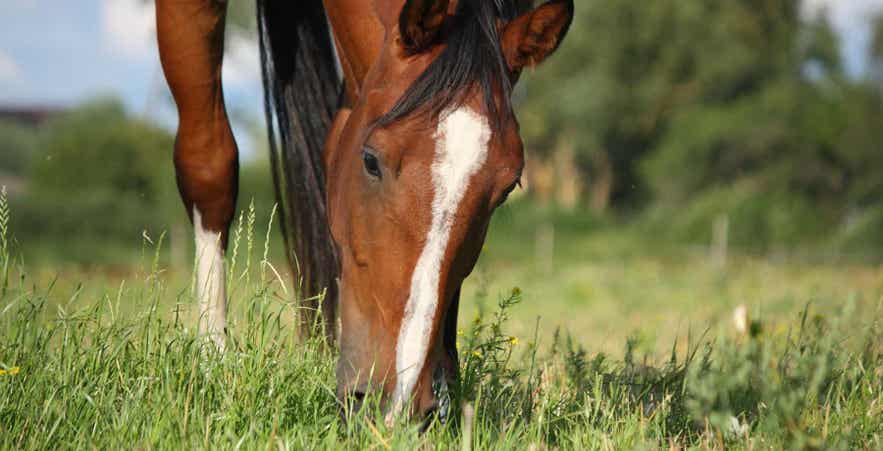
Even if pasture is still available, it may not be providing the nutrition animals require. In many cases, the early signs are subtle. A field may still look like it has enough forage, but slower plant growth, mature stems, or drought-stressed vegetation can reduce the amount of usable nutrition animals are actually receiving.
Watch for signs such as:
- Slower pasture growth
- Brown or drought-stressed vegetation
- Increased grazing time with less available forage
- Declining body condition
- Reduced performance or energy
- Increasing reliance on hay or supplemental forage
These changes may develop gradually, which is why regular observation matters. If animals are spending more time grazing but maintaining less condition, the pasture may not be keeping up with their nutritional needs. This can be especially important for growing animals, senior horses, performance horses, lactating animals, or any livestock with higher nutrient requirements.
Regularly evaluating both pasture condition and animal condition can help identify nutritional gaps before they become larger challenges. Body condition scoring, monitoring hay and pasture intake, and watching for changes in energy or performance can all help owners decide when it may be time to adjust the feeding program.
Planning Ahead Makes a Difference
By the time drought becomes visible, nutrition has often been changing for weeks. Recognizing those changes early allows owners to respond before declining forage quality begins affecting animal health and condition.
Every drought is different, but one thing remains consistent: waiting until forage becomes scarce often limits your feeding options. By the time pastures are overgrazed or hay supplies are difficult to find, choices may be more expensive, less consistent, or harder to source.
Developing a forage plan before conditions worsen can help reduce stress and support more consistent nutrition throughout the season. A proactive plan gives owners more time to evaluate what they have, identify what they may need, and make feeding adjustments gradually instead of reacting after animals have already started losing condition.
Preparation may include:
- Assessing current hay inventory
- Monitoring pasture quality throughout the summer
- Identifying supplemental forage options
- Having multiple forage formats available if feeding needs change
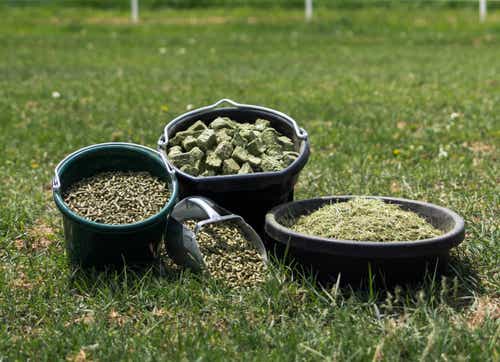
Planning ahead also makes it easier to maintain feeding consistency if conditions change quickly. If pasture growth slows earlier than expected, having hay, chopped forage, pellets, cubes, or other supplemental forage options available can help bridge the gap without making sudden changes to the diet.
The goal isn’t simply to have forage available; it’s to have a forage strategy that can adapt as conditions change. That means thinking through animal needs, available storage, feeding logistics, and how forage quality may shift as drought conditions continue. With a plan in place, owners can respond earlier, protect body condition, and support a steadier nutritional foundation during an unpredictable season.
Supporting Consistency When Conditions Change
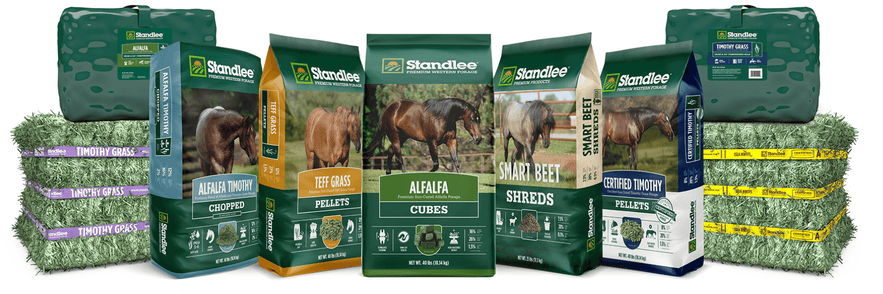
While drought can make pasture conditions unpredictable, your feeding program doesn’t have to be.
When pasture quality becomes unpredictable, consistency becomes one of the most valuable tools in a feeding program. Having access to premium forage allows owners to make gradual feeding adjustments while continuing to provide dependable fiber and nutrition.
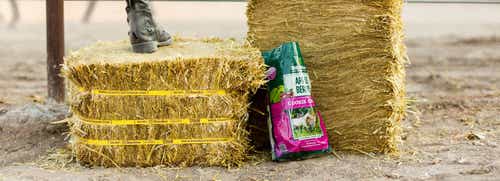
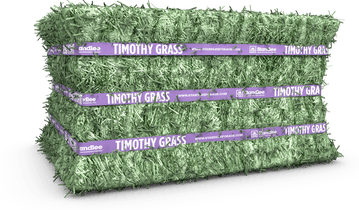
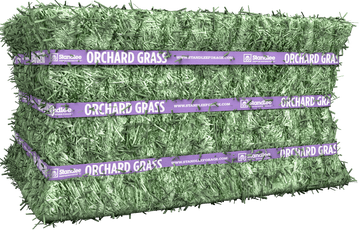
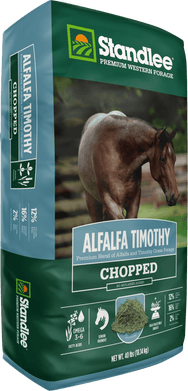
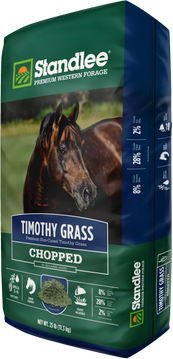
For more than 40 years, Standlee has helped horse and livestock owners navigate changing forage conditions by producing premium, sun-cured forage in multiple formats, including compressed bales, chopped forage, pellets, and cubes. Whether supplementing pasture or replacing declining forage, consistent products make it easier to maintain consistent nutrition when conditions become unpredictable.
Drought may change the landscape, but it doesn’t change what animals need. They still rely on consistent, high-quality forage as the nutritional foundation of their diet. By evaluating pasture early and planning ahead, owners can help maintain that foundation, even when growing conditions are anything but predictable.
Since 1981, Standlee has been committed to helping horse and livestock owners provide a dependable Forage Foundation™ through premium, sun-cured forage products they can trust.
Frequently Asked Questions
How does drought affect forage quality?
Drought slows pasture growth and stresses forage plants, often reducing digestible energy, protein, and overall nutritional value before grass disappears. As forage matures under drought conditions, it typically becomes less digestible and more variable in quality.
Can pasture still look healthy during a drought?
Yes. Pasture may remain green enough to graze while providing significantly less nutrition than earlier in the season. This is why monitoring forage quality — not just pasture quantity — is important during dry conditions.
When should I start supplementing pasture with forage?
Supplemental forage should be considered when pasture growth slows, forage quality declines, or animals begin spending more time grazing without maintaining body condition. Planning ahead before forage shortages occur helps support a smoother feeding transition.
What are the signs that pasture may no longer meet my animal’s nutritional needs?
Common signs include slower pasture growth, drought-stressed vegetation, longer grazing times, declining body condition, reduced performance or energy, and increased reliance on stored forage or hay.
Why is consistent forage intake important during drought?
Consistent forage intake helps support digestive health, normal gut function, natural chewing behavior, and overall body condition. Maintaining a steady source of fiber becomes even more important as pasture quality declines.
What Standlee forage products can help during drought conditions?
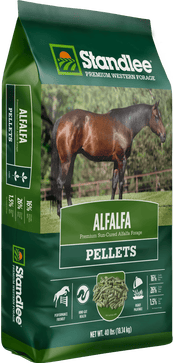
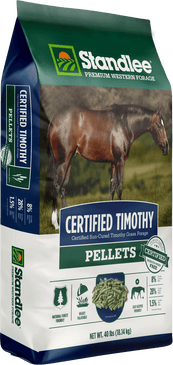
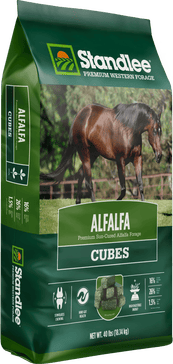
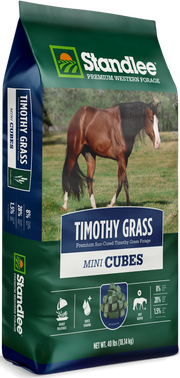
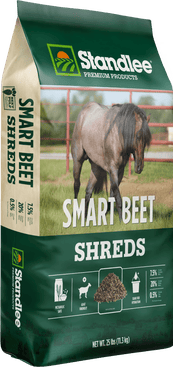
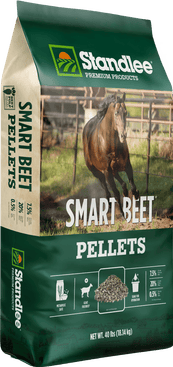
Standlee offers premium sun-cured forage in multiple formats — including compressed bales, chopped forage, pellets, cubes, and beet pulp products — to help maintain consistent nutrition when pasture quality or availability changes.
Additional Learning Resources
From the Standlee Barn Bulletin Blog
- How to Extend Your Horse’s Hay Supply When Pasture Is Limited
- NSC in Horses: Spring Grass & Laminitis Risk Management
- How to Supplement Your Horse’s Diet with High-Quality Forage
- A Guide to Summer Grazing for Your Horse
From the Standlee Beyond the Barn Podcast
- Ep. 064: Poisonous Plant Species Horses NEED to Avoid
- Ep. 047: How Properly Balancing Your Horse’s Diet Can SAVE You Money in the Long Run!
- Ep. 088: NSC, Sugars, Starches, Fructans – Are They Good or Bad for Horses?
- Ep. 092: When Horse Hoof Problems Don’t Add Up – Here’s What You’re Missing with Dr. Sammy Pittman
- Ep. 061: The Key to Getting the Most Out of Your Horse Pasture
- Ep. 065: What Can Happen If Horses Don’t Drink Enough Water
- Ep. 108: 4 Simple Ways to Stretch Your Hay Supply Without Sacrificing Nutrition
- Ep. 010: What to Do When You Run Out of Hay
From the Standlee Nutritional Papers
Products featured in this post
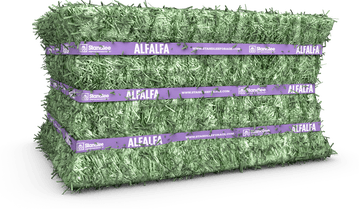
Enjoying the Standlee blog?
Subscribe to Standlee emails and get our newest content (and coupons, offers, and other great stuff) sent to your inbox!
Subscribe Now