How to Supplement Your Horse's Diet with High-Quality Forage for Better Health and Performance
When it comes to feeding horses, one principle remains consistent across all disciplines and management styles: forage should always be the foundation of the diet.
Horses are natural grazers, designed to consume small amounts of forage continuously throughout the day. This steady intake of fiber supports proper gut function, maintains microbial balance, and helps reduce the risk of digestive disturbances such as colic and gastric ulcers.
Horses thrive on a diet that is built on a Forage Foundation. Maintaining that foundation consistently can be challenging due to pasture variability, hay quality, and environmental changes.
That's where strategic supplementation comes into play.

Join Our Email List Today!
Be the first to get the latest news, promotions, updates and more from Standlee when you join our email list!
By signing up for email, you are agreeing to receive news, offers, and information from Standlee Premium Products, LLC®. You can also visit our Privacy Policy. Easy unsubscribe links are provided in every email.
When You Should Supplement Your Horse's Diet with Forage
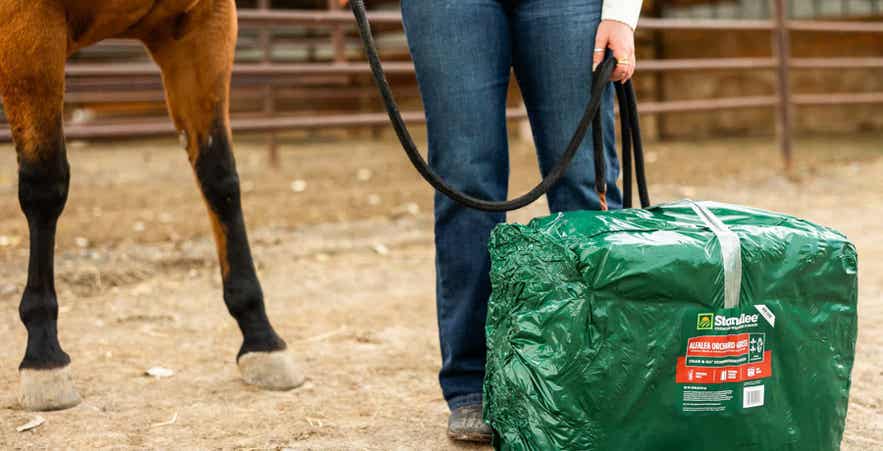
There are many situations where you may need to supplement your horse's diet with forage to maintain consistency and nutritional balance.
Pasture conditions can change rapidly due to weather, seasonality, and grazing pressure. During drought, overgrazing, or early spring growth, pasture may not provide the right balance of nutrients. Similarly, locally sourced hay can vary significantly in quality depending on harvest timing, storage conditions, and regional differences.
Even when feeding hay regularly, these inconsistencies can create gaps in nutrition, energy levels, and overall performance.
Supplementing with high-quality forage helps bridge these gaps by providing a more reliable and controlled feeding option that supports digestive health and overall stability in the diet.
Understanding Nutritional Gaps in Hay and Pasture
While hay and pasture are essential components of equine nutrition, they are not always perfectly balanced. Nutrient levels in forage can fluctuate depending on growing conditions, maturity at harvest, and storage practices.
This means that even a forage-based diet may require adjustments to meet a horse's full nutritional needs.
When you supplement your horse's diet with forage, the goal is to improve consistency and ensure that your horse receives adequate fiber, energy, and nutrients without relying heavily on grain concentrates.
By incorporating more consistent forage sources, you can help stabilize intake and support a more predictable feeding program.
How Bagged Forage Improves Consistency
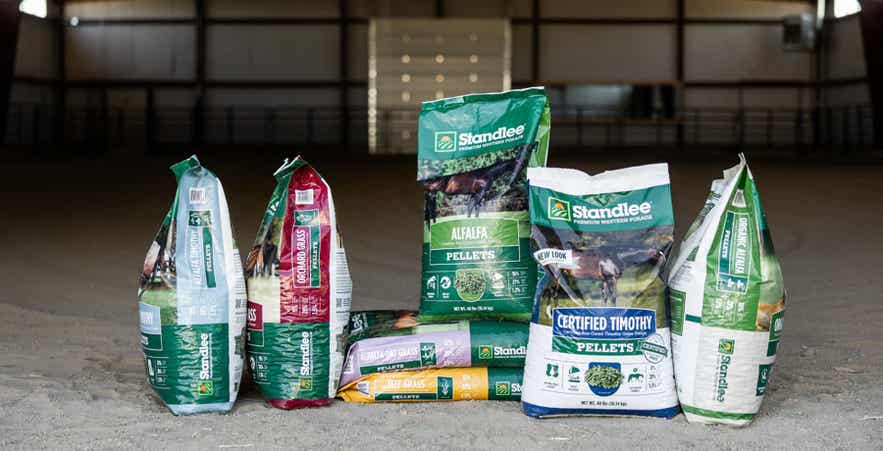
One of the most effective ways to improve forage consistency is by incorporating bagged forage products into your feeding program.
Unlike traditional baled hay, which can vary from cutting to cutting or even bale to bale, bagged forage offers a more uniform nutrient profile and dependable quality. This makes it easier to manage portions, adjust diets, and maintain consistency over time.
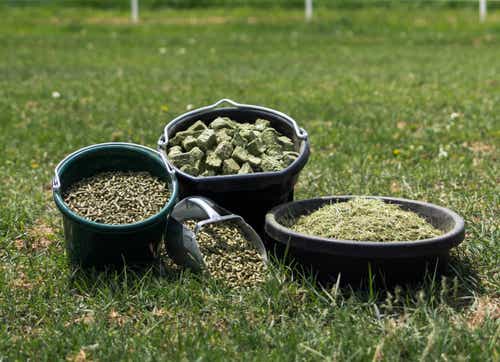
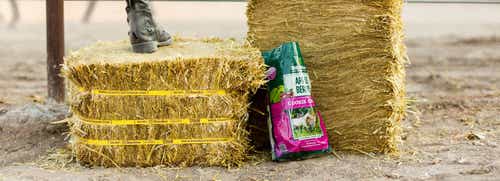
Bagged forage products — such as pellets, cubes, chopped forage, and compressed bales — are designed to provide flexibility while supporting the same foundational role as traditional forage.
They can be used to:
- Supplement lower-quality hay
- Replace a portion of the forage ration when needed
- Support feeding during travel or changing environments
- Provide more controlled feeding for horses with specific needs
Because horses thrive on routine, adding a consistent forage source can help reduce digestive upset and support long-term health.
Choosing the Right Forage for Your Horse
Not all forage serves the same purpose, and selecting the right type depends on your horse's individual needs.
Grass forages such as timothy, orchard grass, bermudagrass, and teff are generally lower in calories and protein, making them a good option for horses that require controlled energy intake, such as easy keepers or horses prone to weight gain.
Legume forages like alfalfa provide higher levels of protein, calcium, and energy. These are often beneficial for performance horses, growing horses, or those needing additional calories to maintain condition.
By combining different forage types, you can tailor your feeding program while still prioritizing fiber intake and digestive support.
Using Forage to Support Different Types of Horses
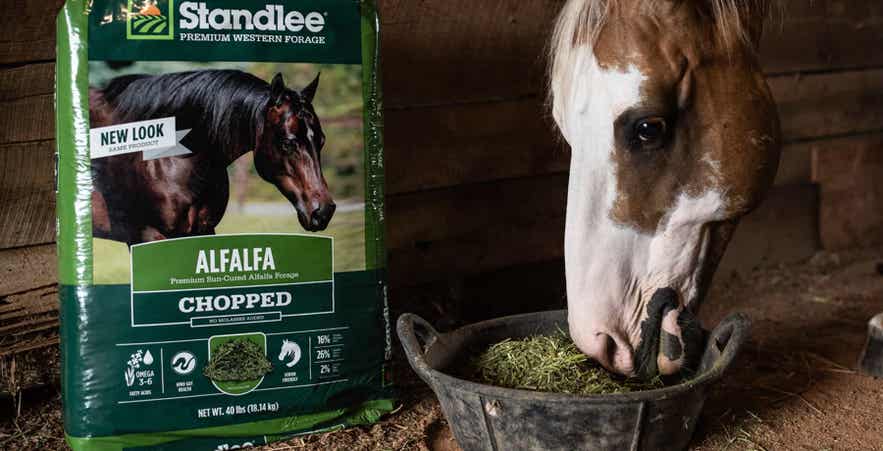
Every horse has unique nutritional requirements, and supplementation strategies should reflect those differences.
Performance horses often benefit from additional calories and consistent energy sources. Incorporating higher-quality forage options can help support stamina, recovery, and muscle maintenance without relying solely on concentrates.
For easy keepers, managing calorie intake is key. Lower-calorie forage options can help maintain body condition while still supporting digestive health and natural feeding behavior.
Miniature horses and ponies require smaller, more controlled portions, making consistent forage options especially useful for maintaining balance without overfeeding.
In each case, the goal is to supplement your horse's diet with forage in a way that supports both consistency and individual needs.
Transitioning to Higher Quality Forage
Whenever changes are made to a horse's diet, it's important to transition gradually.
Introducing new forage too quickly can disrupt the digestive system, leading to issues such as colic, loose stool, or decreased appetite. A gradual transition over 7–10 days allows the horse's gut microbiome to adjust to the new feed source.
During this period, it's important to monitor the horse's behavior, hydration, and overall condition. Providing access to clean water is especially important, as increased fiber intake can raise water requirements.
A careful transition helps ensure that the benefits of improved forage quality are fully realized without unnecessary risk.
Why Consistency Matters More Than Anything
Consistency is one of the most overlooked — but most important — factors in equine nutrition.
Horses rely on routine, both in feeding schedules and in the composition of their diet. Sudden changes in forage quality or availability can lead to digestive stress and fluctuations in energy levels.
By incorporating consistent forage sources, such as bagged or processed forage options, horse owners can reduce variability and create a more stable feeding program.
This is particularly valuable when traveling, boarding, or managing seasonal changes, where access to the same hay source may not always be possible.
Supporting Your Feeding Program with Standlee Forage
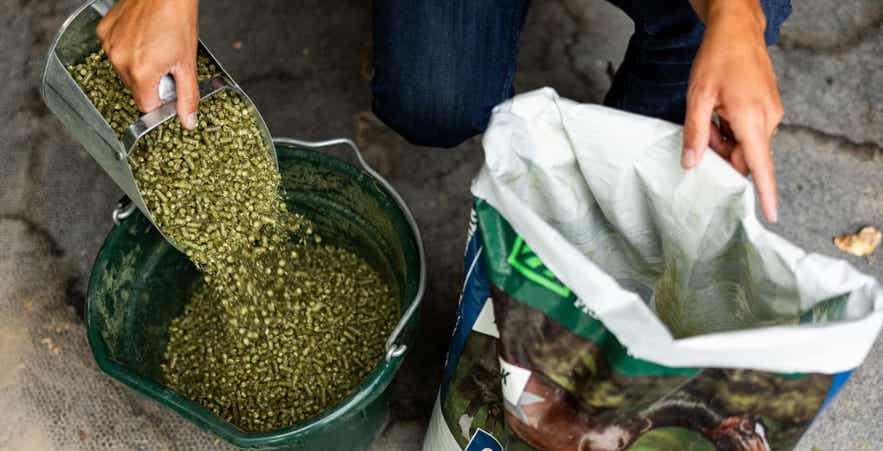
Standlee forage products are designed to support horse owners in maintaining consistency, quality, and flexibility in their feeding programs.
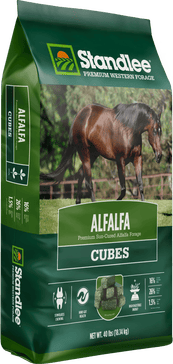
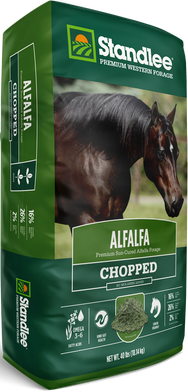
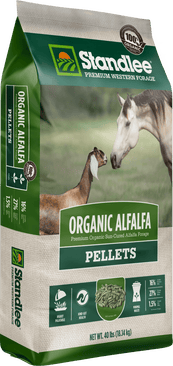
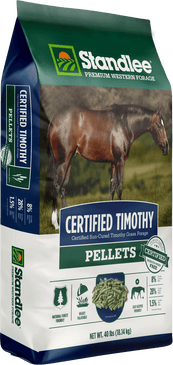
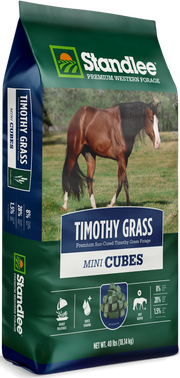
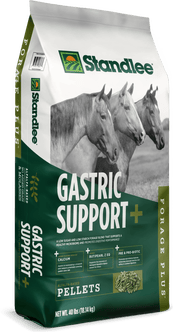
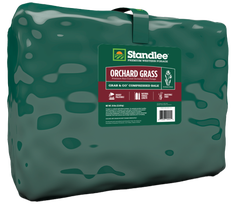
With options including pellets, cubes, chopped forage, and compressed bales, these products allow you to supplement your horse's diet with forage in a way that fits your specific management style and goals.
Because Standlee forage is carefully produced and widely available, it provides a dependable option for maintaining a consistent feeding program regardless of location or season.
Whether you are looking to enhance lower-quality hay, supplement pasture, or create a more controlled feeding routine, incorporating high-quality forage products can help support your horse's health and performance.
Final Takeaway: Supplementing with Forage the Right Way
Knowing how to supplement your horse's diet with forage is about more than adding feed — it's about creating balance, consistency, and reliability in your horse's daily routine.
By focusing on forage quality, selecting the right types of forage, and incorporating consistent feeding practices, you can support digestive health, maintain body condition, and improve overall performance.
While forage has always been the foundation of equine nutrition, modern feeding solutions make it easier than ever to maintain that foundation with confidence.
Frequently Asked Questions
Why should I supplement my horse's diet with forage?
You should supplement your horse's diet with forage to maintain consistent fiber intake, support digestive health, and fill nutritional gaps when pasture or hay quality is inconsistent. High-quality forage helps stabilize energy levels and reduces reliance on grain concentrates.
What is the best way to supplement your horse's diet with forage?
The best way to supplement your horse's diet with forage is by combining pasture or baled hay with consistent, high-quality forage products such as pellets, cubes, or chopped forage. This allows for better portion control and more predictable nutrient intake.
Can bagged forage replace traditional hay for horses?
Bagged forage can partially or fully replace traditional hay depending on your feeding program. Many horse owners use bagged forage to supplement or replace hay when quality is inconsistent, during travel, or when more controlled feeding is needed.
How much forage should I feed my horse each day?
Most horses should consume approximately 1.5%–2% of their body weight in forage daily. When you supplement your horse's diet with forage, it's important to adjust amounts based on body condition, workload, and forage type.
What type of forage is best for my horse?
The best forage depends on your horse's individual needs. Grass forages are typically lower in calories and suitable for easy keepers, while alfalfa provides higher protein and energy for performance horses or those needing additional condition.
How do I transition my horse to a new forage source?
When you supplement your horse's diet with forage, introduce new forage gradually over 7–10 days. Slowly increase the new forage while decreasing the old to allow the digestive system to adjust and reduce the risk of colic or digestive upset.
Additional Learning Resources
From the Standlee Barn Bulletin Blog
- 5 Common Horse Feeding Mistakes
- The Importance of Feeding a Consistent Diet for Your Horse
- Understanding the Energy or Calorie Content in Horse Diets
From the Standlee Beyond the Barn Podcast
- BONUS – Supplement with Standlee – Adding High Quality Hay to Your Horse’s Diet
- Ep. 050: Top 10 Most Common Feeding Mistakes Horse Owners Make
- Ep. 056: How to Improve Your Horse’s Diet – Including 4 Example Horse Diets Balanced by Dr. Cubitt
- Ep. 003: Why Horses Need to Eat Fiber
- Ep. 073: Navigating the Diet Struggle: Feeding Your Carb Sensitive Horse
From the Standlee Nutritional Papers
Products featured in this post
Enjoying the Standlee blog?
Subscribe to Standlee emails and get our newest content (and coupons, offers, and other great stuff) sent to your inbox!
Subscribe Now