Spring Grass & NSC in Horses: How to Manage Sugar Intake and Reduce Laminitis Risk
Spring is one of the most exciting times of year for horse owners, however it can come with concerns you may not think of. As pastures green up and growth accelerates, horses gain access to fresh forage that is highly palatable. This same lush grass can also contain elevated levels of non-structural carbohydrates (NSC), which can pose health risks for certain horses.
Understanding NSC in horses is critical, especially during periods of rapid pasture growth. Research has shown that pasture-associated laminitis most commonly occurs in the spring, when grasses are actively growing and accumulating sugars. For horses that are metabolically sensitive, even short periods of unrestricted grazing can lead to complications.
This makes spring pasture management one of the most important components of a responsible, forage-based feeding program.

Join Our Email List Today!
Be the first to get the latest news, promotions, updates and more from Standlee when you join our email list!
By signing up for email, you are agreeing to receive news, offers, and information from Standlee Premium Products, LLC®. You can also visit our Privacy Policy. Easy unsubscribe links are provided in every email.
What Are NSCs and Why do They Matter?
Non-structural carbohydrates (NSC) refer to the sum of:
- Water-soluble carbohydrates (WSC), which include sugars and fructans
- Starch
In simple terms, NSCs are the readily available energy sources found in forage and feed. While they are an important part of a horse's diet, excessive intake can disrupt metabolic balance — particularly in horses that are insulin resistant or prone to laminitis.
For many horse owners, managing NSC in horses comes down to understanding how environmental conditions, pasture management, and feeding strategies all influence carbohydrate intake.
Which Horses Are Most at Risk from High NSC Intake?
Not all horses respond to NSC intake the same way. Some can tolerate higher levels without issue, while others require careful management year-round.
Horses most at risk include those with:
- Insulin resistance (IR)
- Equine metabolic syndrome (EMS)
- Pituitary pars intermedia dysfunction (PPID or Cushing's disease)
- A history of laminitis
- Easy keeper tendencies or obesity
For these horses, even moderate increases in NSC in horses' diets can lead to elevated insulin levels, increasing the likelihood of laminitis and other metabolic complications.
Why Spring Grass Is Higher in NSC
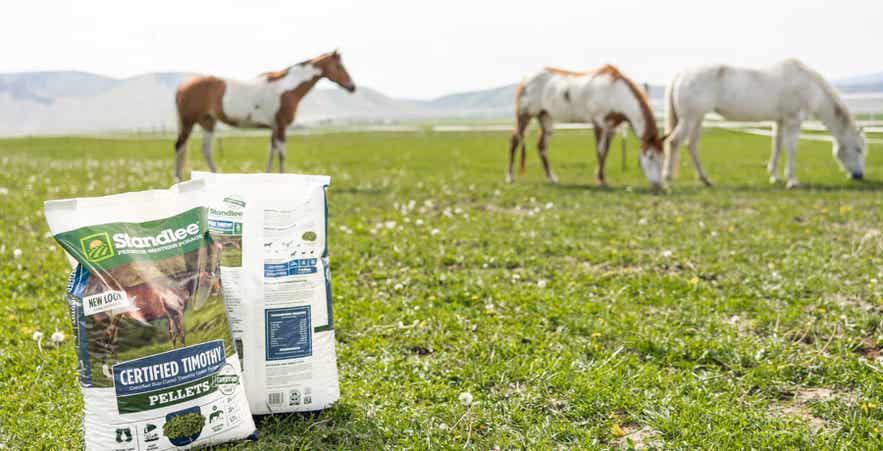
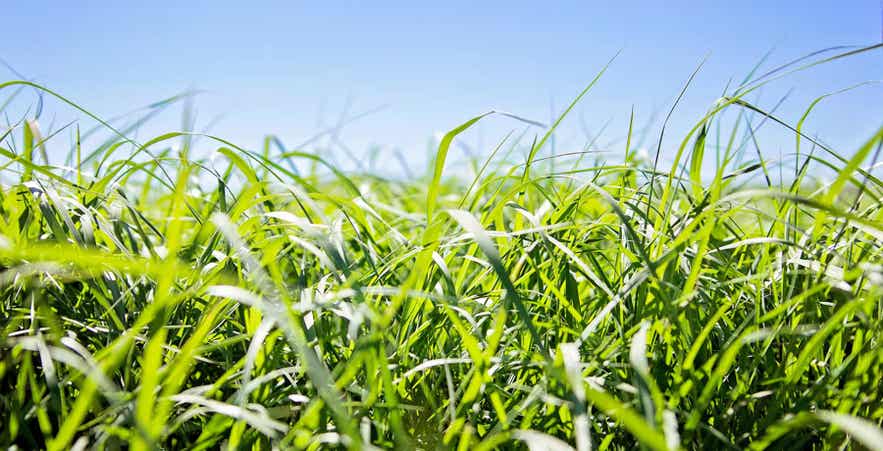
Spring grass is unique because of how plants grow and store energy. During rapid growth periods, grasses produce sugars through photosynthesis and may store excess energy as fructans, especially when conditions limit growth.
NSC levels in pasture can increase due to many factors. Such as bright sunlight and cool temperatures, rapid growth cycles, and environmental stress such as drought or poor soil conditions.
Additionally, spring grass contains high moisture content, meaning horses must consume a large volume to meet their dry matter intake needs — often leading to greater total NSC intake than expected.
This combination of high sugar content and increased consumption makes managing NSC in horses especially important during this time.
Best Practices to Manage NSC Intake in Horses
Managing NSC intake doesn't necessarily mean eliminating pasture entirely — but it does require intentional planning and consistency.
Limit or Restrict Spring Pasture Access
For horses at higher risk, restricting access to lush spring pasture is often the safest option. In some cases, complete removal from pasture may be necessary during peak growth periods.
For horses that can tolerate some turnout, limiting grazing time to short, controlled periods can help reduce overall intake.
Turn Horses Out at the Right Time of Day
NSC levels fluctuate throughout the day. Typically, they are lowest late at night and in the early morning hours, making this the safest window for turnout.
As the owner, try to turn out after late evening or early morning and remove horses from pasture by mid-morning at the latest.
Avoid afternoon and early evening turnout when sugar levels tend to be higher.
Use Grazing Management Tools
When pasture access is necessary, tools like grazing muzzles and strip grazing can help control intake.
Grazing muzzles can specifically be great at limiting how much forage a horse can consume. Another option would be to set up temporary fencing that allows you to control pasture size and exposure.
These strategies help to reduce excessive NSC consumption while still allowing for turnout and movement.
Avoid Stressed or Overgrown Pastures
Not all pasture is created equal. Grass that is stressed — due to drought, cold temperatures, or poor soil — can accumulate higher levels of sugars because it is not actively growing.
Similarly, overly mature or stemmy grass may contain increased fructan levels stored in the plant stems.
Maintaining healthy, well-managed pasture is key to controlling NSC in horses' diets.
Utilize a Dry Lot When Needed
Dry lots are an excellent tool for managing at-risk horses. They allow for controlled feeding without the unpredictability of pasture intake.
Creating a small buffer along fencing can also prevent horses from reaching under and consuming grass from outside the designated area.
The Role of Consistent, Controlled Forage
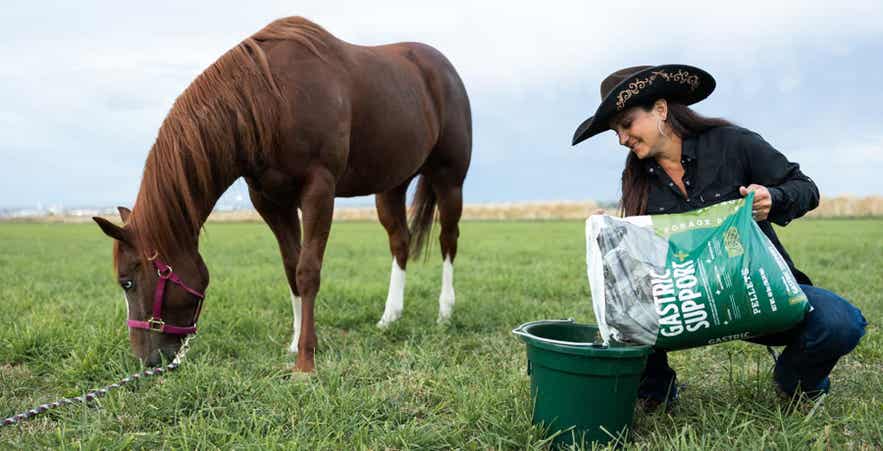
One of the biggest challenges with pasture is variability. NSC levels can change daily based on weather, sunlight, and overall plant health — making it difficult to know exactly what your horse is consuming.
This is where a feeding program based on the foundation of forage with consistent products becomes especially valuable.
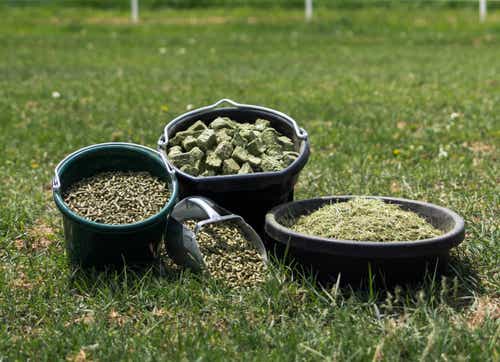
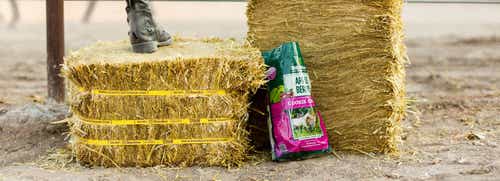
Bagged forage products provide a guaranteed analysis and ingredient consistency, reliable NSC levels, controlled portioning, and a reduced risk of sudden dietary changes.
Horses thrive on routine, and a consistency in forage intake helps to support digestive health while reducing the risk of metabolic disruption.
Choosing the Right Forage Based on Your Horse's Needs
Not all horses require the same feeding approach. Selecting the right forage depends on body condition, workload, and metabolic status.
For Horses Needing More Calories
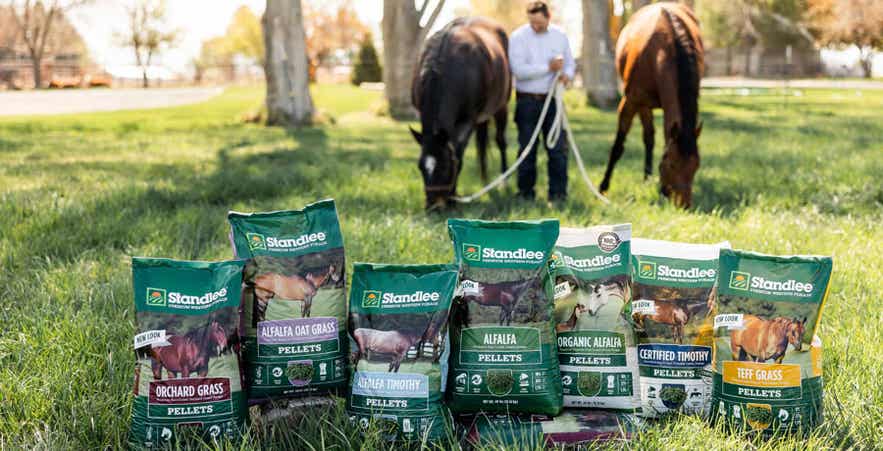
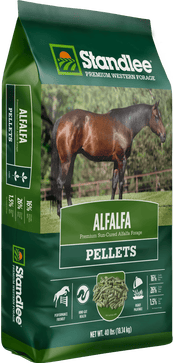
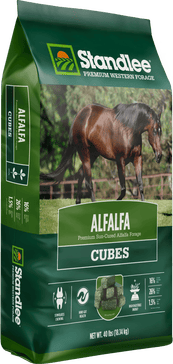
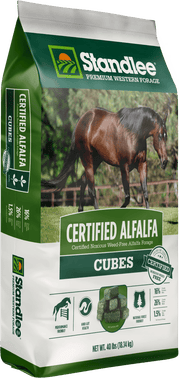
High-quality alfalfa forage can be an excellent option for maintaining or increasing body condition while still supporting a forage foundation feeding program.
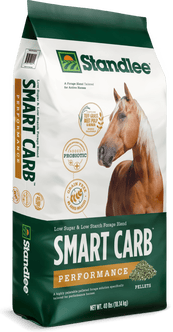
For Horses Needing Lower NSC Options
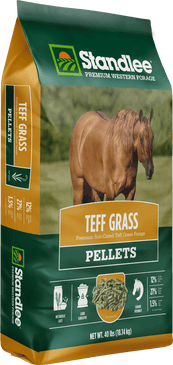
For horses that require stricter control of NSC in their diet, lower NSC forage options such as teff grass can help limit sugar intake while still providing necessary fiber.
Why A Forage Foundation Feeding Program Matters for NSC Management
At its core, managing NSC in horses is not about eliminating carbohydrates entirely — it's about controlling intake and ensuring balance.
Forage-based feeding supports healthy digestion through consistent fiber intake, stable energy release, a reduced risk of metabolic spikes, and improvement of overall gut health.
When pasture isn't predictable, relying on consistent, high-quality forage allows horse owners to better manage both nutrition and risk.
Final Takeaway: Managing NSC in Horses Starts with Consistency
Spring pasture can be both beneficial and challenging. While fresh grass offers natural nutrition and enrichment, it also introduces variability — especially when it comes to NSC levels.
By understanding how NSC in horses impacts metabolic health and taking a proactive approach to pasture management, horse owners can reduce risk and support long-term wellbeing.
From limiting turnout and choosing the right time of day to incorporating consistent forage options, small, intentional decisions can make a significant difference.
At Standlee, we believe that better outcomes start with better inputs. Through high-quality forage and a forage-based feeding approach, horse owners can build consistent, reliable nutrition programs that support both performance and health — no matter the season.
Frequently Asked Questions
What does NSC mean in horses?
NSC in horses refers to non-structural carbohydrates, which include sugars (water-soluble carbohydrates) and starch. These are rapidly digestible energy sources that can impact insulin levels and metabolic health when consumed in excess.
Why is NSC in horses higher during spring?
NSC in horses tends to increase in spring because grasses grow rapidly and produce more sugars through photosynthesis. Cool nights and sunny days can cause plants to store excess sugars, raising NSC levels in pasture.
Which horses should have low NSC diets?
Horses that are insulin resistant, have equine metabolic syndrome (EMS), PPID (Cushing's disease), or a history of laminitis should be managed on lower NSC diets. Easy keepers and overweight horses also benefit from controlled NSC intake.
How can I reduce NSC intake in horses on pasture?
To reduce NSC in horses, limit pasture access during high-risk times, turn out early morning or late at night, use grazing muzzles, and consider dry lot management. Supplementing with consistent, controlled forage can also help regulate intake.
What is considered low NSC forage for horses?
Low NSC forage for horses typically includes grass hays or forage products tested for lower sugar and starch levels, such as teff grass. Using consistent, bagged forage products can help better manage NSC in horses compared to variable pasture.
Additional Learning Resources
From the Standlee Barn Bulletin Blog
- How Can I Get My Stubborn Cushing's Horse to Take Medication?
- Preparing Your Horse For Spring Pasture
- Equine Metabolic Syndrome in Horses: Symptoms, Risks, Diet & Management
- Spring Pasture & Grazing Tips for Horses and Livestock
- Simple Steps to Bring Your Horse Back After Winter
- Laminitis in Horses: Symptoms, Causes, & Feeding Strategies
- What is the Difference Between Laminitis or Founder for Horses?
From the Standlee Beyond the Barn Podcast
- Ep. 088: NSC, Sugars, Starches, Fructans – Are They Good or Bad for Horses?
- Ep. 006: Successful Strategies to Help Limit NSC (aka Sugars and Starches) in Horse Diets
- Ep. 035: Pro Tips for Getting Pastures (and Horses) Ready for Spring Grazing
- Ep. 109: 4 Horse Feeding Mistakes That Increase Laminitis Risk
- Ep. 095: Metabolic Horses Aren’t Always Fat – Here’s What No One Tells You – Part 1
- Ep. 057: How to Prevent and Manage Laminitis
From the Standlee Nutritional Papers
Products featured in this post
Enjoying the Standlee blog?
Subscribe to Standlee emails and get our newest content (and coupons, offers, and other great stuff) sent to your inbox!
Subscribe Now