Feeding Cattle Through Spring Transition: Managing Forage, Nutrition, and Performance
Cattle are uniquely designed to thrive on forage, relying on a highly specialized digestive system that allows them to efficiently break down and utilize plant fiber. As ruminants, cattle depend on microbial fermentation within the rumen to convert forage into usable energy, protein, and heat. This process not only fuels performance and production but also supports overall health and comfort throughout the year.
Because of this, forage is not simply one component of the diet — it is the foundation. At Standlee, this concept is referred to as the Forage Foundation™, where consistent, high-quality forage supports intake, rumen function, and long-term productivity. While cattle can consume lower-quality forage when necessary, both intake and nutrient availability decline as forage quality decreases, making consistency especially important during seasonal transitions.

Join Our Email List Today!
Be the first to get the latest news, promotions, updates and more from Standlee when you join our email list!
By signing up for email, you are agreeing to receive news, offers, and information from Standlee Premium Products, LLC®. You can also visit our Privacy Policy. Easy unsubscribe links are provided in every email.
Winter Feeding Sets the Stage for Spring Success
A successful spring transition begins long before pasture begins to grow. During winter, cattle rely heavily on stored forage sources such as hay or processed forage to meet their nutritional needs. These feeding programs play a critical role in maintaining body condition and preparing cattle for the shift to spring grazing.
One of the most important functions of forage during winter is its role in heat production. As fiber is fermented in the rumen, heat is generated as a natural byproduct, helping cattle maintain body temperature in cold and harsh conditions. This means that providing adequate forage is essential not only for nutrition but also for keeping cattle comfortable and resilient during extreme weather.
The type of forage fed during winter should align with the nutritional demands of the herd. Cattle with higher requirements, such as those in late gestation or lactation, benefit from nutrient-dense forage sources that provide additional protein and energy. In contrast, cattle with lower requirements can maintain condition on grass or mixed forages. Regardless of the forage type selected, maintaining consistency in intake and quality ensures cattle are better prepared for the transition into spring.
Why Spring Transition Is a Critical Feeding Period
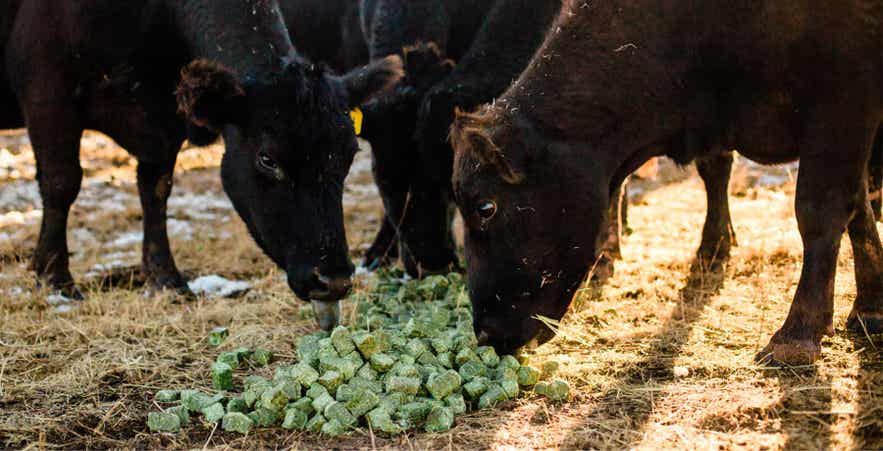
As pastures begin to green up, it may seem logical to transition cattle directly from winter forage to fresh grass. However, early spring pasture often presents challenges that can negatively impact performance if not properly managed.
Spring grass typically contains high moisture levels and relatively low dry matter. While cattle may consume large volumes of this forage, they may not receive sufficient fiber or nutrients to meet their needs. This can result in cattle feeling full without achieving adequate intake, leading to declines in body condition and overall performance.
In addition, the rumen microbial population must adapt to changes in diet. A sudden shift from dry, fibrous forage to lush, high-moisture pasture can disrupt this balance, reducing digestive efficiency. This is why managing the feeding cattle spring transition requires a gradual and strategic approach rather than an abrupt change.
Maintaining Fiber Intake During Spring Transition
Even as fresh pasture becomes available, fiber remains essential for maintaining rumen stability and supporting digestion. During the early stages of pasture growth, continuing to provide supplemental forage helps ensure that cattle receive enough dry matter to support microbial activity and nutrient absorption.
Maintaining a consistent fiber source during this period allows the rumen to adapt gradually while preventing fluctuations in intake. Without this support, cattle may experience reduced performance, inconsistent growth, or difficulty maintaining condition.
By reinforcing the Forage Foundation™ during spring transition, producers can create a smoother adjustment period that supports both short-term performance and long-term herd health.
Bridging the Gap Between Winter and Spring Feeding
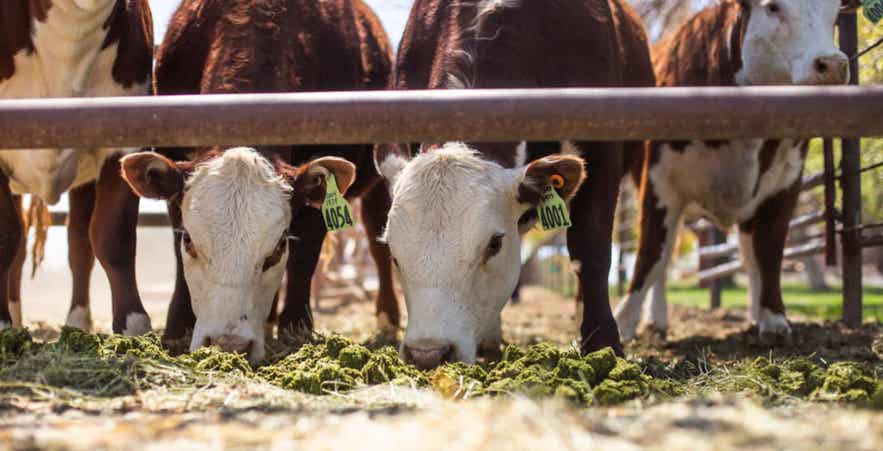
Successfully managing the feeding cattle spring transition involves bridging the nutritional gap between winter forage and emerging pasture. Rather than removing hay immediately, it is beneficial to continue feeding forage at a reduced rate during the early weeks of pasture availability.
Providing supplemental forage during this time ensures that cattle receive adequate fiber and nutrients while pasture matures. As pasture conditions improve and dry matter intake increases, forage supplementation can gradually be reduced.
This gradual transition helps maintain intake, supports rumen adaptation, and prevents sudden drops in performance. It also allows producers to better monitor how cattle are responding to changing forage conditions and adjust feeding strategies accordingly.
Supporting Body Condition and Reproductive Performance
Maintaining body condition during spring transition is essential for both productivity and reproductive success. Cattle that lose condition during this period may experience delays in breeding or reduced conception rates, particularly in cow-calf operations.
Similarly, growing cattle may experience setbacks in weight gain if nutritional needs are not met during early pasture stages. These performance losses can have long-term impacts on herd efficiency and profitability.
High-quality forage plays a key role in preventing these issues by providing consistent nutrition during periods of variability. By supplementing with nutrient-dense forage when needed, producers can help ensure cattle maintain condition, continue to grow, and remain on track for breeding and production goals.
The Value of Consistency in Forage Feeding
One of the most common challenges in cattle feeding programs is variability. Hay quality can differ significantly based on harvest timing, storage conditions, and environmental factors, while pasture conditions can change rapidly with weather and grazing pressure.
This variability makes it difficult to maintain a consistent nutritional program, especially during seasonal transitions.
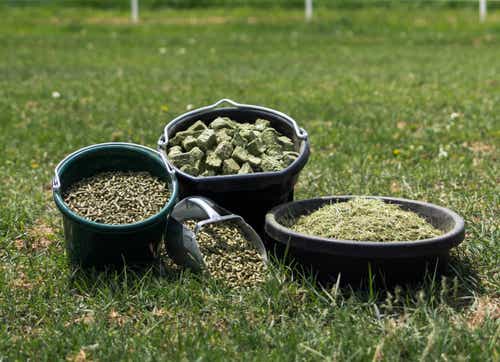
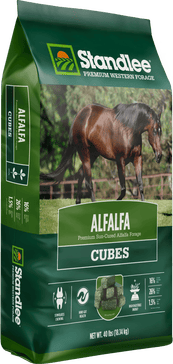
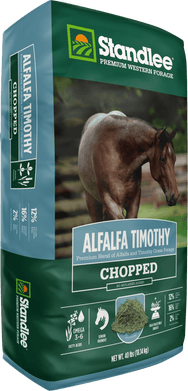
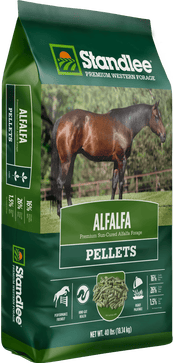
Incorporating consistent forage options into the feeding program can help reduce this uncertainty. Processed forage products, including pellets, cubes, chopped forage, and compressed bales, offer a uniform nutrient profile that supports predictable intake and performance.
During the feeding cattle spring transition, consistency becomes one of the most valuable tools for maintaining stability in the diet and supporting herd health.
Supporting Spring Transition with Standlee Forage Solutions
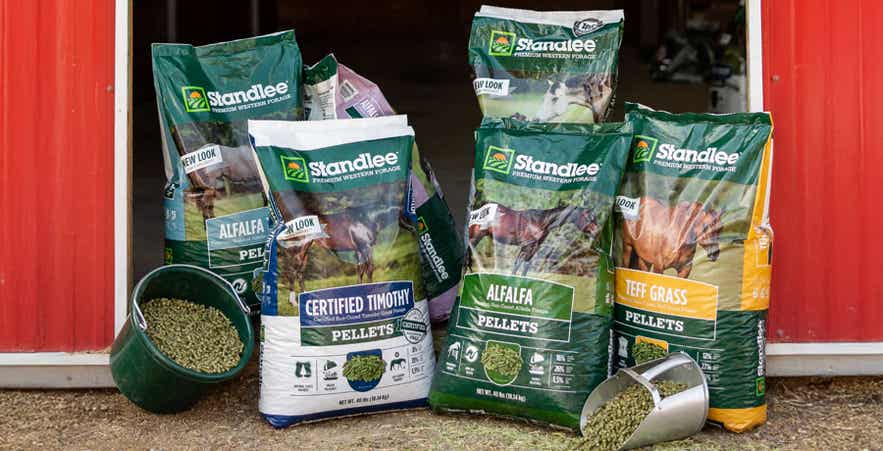
Standlee forage products are designed to provide consistency, flexibility, and quality throughout the year, making them especially valuable during seasonal transitions.
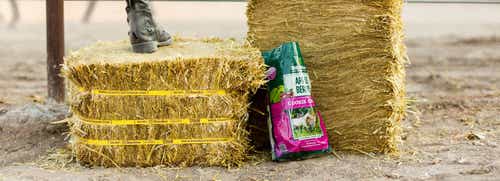
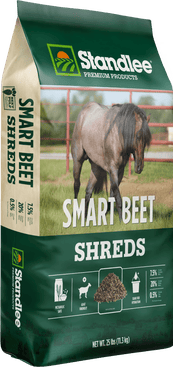
With a variety of formats available, including pellets, cubes, chopped forage, and compressed bales, these products can be used to supplement traditional hay and pasture feeding programs. Their consistent nutrient profile allows producers to maintain control over intake while reducing reliance on variable forage sources.
By incorporating Standlee forage into feeding programs, producers can support rumen function, maintain body condition, and create a more stable transition from winter feeding to spring grazing.
Final Takeaway: Feeding Cattle Through Spring Requires a Thoughtful Approach
The transition from winter feeding to spring pasture is one of the most important periods in cattle nutrition. While fresh pasture offers new opportunities, it also introduces variability that must be managed carefully to maintain performance and herd health.
Understanding how to approach the feeding cattle spring transition begins with recognizing the importance of fiber, consistency, and gradual adaptation. By maintaining a strong forage base, supplementing when needed, and prioritizing consistent intake, producers can support cattle through this critical period with confidence.
At Standlee, we believe that successful feeding programs are built on high-quality forage and strengthened through consistency and thoughtful management, no matter the season.
Frequently Asked Questions
What is the best way to manage feeding cattle during spring transition?
The best approach to managing feeding cattle during spring transition is to make gradual adjustments rather than abrupt changes. Early spring pasture often lacks sufficient dry matter and fiber, so continuing to provide supplemental forage while pasture develops helps maintain intake, support rumen function, and prevent performance declines. A steady transition allows cattle to adapt while maintaining consistency in their diet.
Why is spring pasture not enough for cattle early in the season?
Although spring pasture appears lush and abundant, it is typically high in moisture and low in dry matter. This means cattle may consume a large volume of forage but still fall short on fiber and nutrients. Without proper supplementation, cattle can lose body condition and experience reduced performance, making it important to support feeding cattle during spring transition with additional forage.
How long should I continue feeding hay during spring transition?
When feeding cattle during spring transition, it is generally recommended to continue feeding forage for one to two weeks after pasture becomes available. The exact duration depends on pasture growth, weather conditions, and herd needs. Gradually reducing forage as pasture matures helps ensure cattle maintain proper intake and digestive stability.
What type of forage is best for cattle during seasonal transitions?
The best forage for cattle during seasonal transitions depends on their nutritional requirements. Higher-quality forage, such as alfalfa, supports cattle with increased energy and protein needs, while grass or mixed forages are often suitable for maintenance. The key is ensuring consistent forage quality and availability to support rumen health and overall performance during feeding cattle spring transition.
How does forage impact cattle performance during spring?
Forage plays a critical role in maintaining body condition, supporting digestion, and sustaining energy levels. During feeding cattle spring transition, consistent forage intake helps prevent weight loss, supports growth in younger cattle, and improves reproductive performance. Without adequate forage, cattle may experience setbacks that impact long-term productivity.
Why is consistency important when feeding cattle during spring transition?
Consistency is essential when feeding cattle during spring transition because sudden changes in diet can disrupt rumen function and reduce feed efficiency. Providing a reliable forage source helps stabilize intake, supports microbial balance, and allows cattle to adjust gradually to pasture conditions. Maintaining consistency helps ensure cattle remain healthy and productive throughout the transition.
Additional Learning Resources
From the Standlee Barn Bulletin Blog
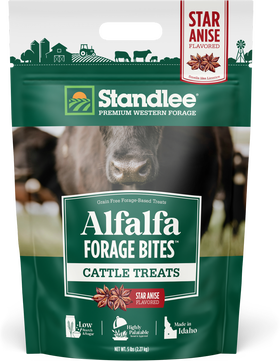
- Forage-Based, Grain-Free Alfalfa Forage Bite Cattle Treats
- Discover the Benefits of Star Anise Horse and Cattle Treats
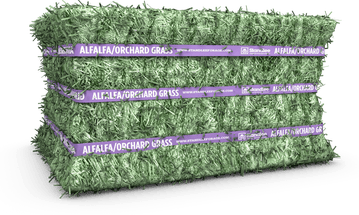
- Feeding Orchardgrass Hay to Horses, Cattle & Other Livestock
- Standlee Feed Options for Horses, Goats, Pigs, Cattle & Sheep
From the Standlee Beyond the Barn Podcast
- Ep. 027: Life as a Veterinarian “Agvocate” and Hardware Disease with Dr. Marissa Hake aka “Calf Vet”
From the Standlee Nutritional Papers
Products featured in this post




Enjoying the Standlee blog?
Subscribe to Standlee emails and get our newest content (and coupons, offers, and other great stuff) sent to your inbox!
Subscribe Now